53" X 2.00" OD Satellite Dish Antenna Ground Mast Pole
3S 5999 2.00 O.D. 18 AWG Steel Satellite Dish Ground Pole Mast
Ideal as a Super DISH and Wild Blue Dish Antenna Mast for Ground or Wall mount Installation (Mount Not Included). Sturdy One Piece 53" in length that Fits a Variety of Mounts for Flexibility In Antenna Mounting and Height Clearance.
This Mast can be utilized for HDTV Off-Air Antenna installation as well, providing the clamp on the antenna can accomodate a 2 inch DIA 18 AWG mast pipe. Super Dish and Wild Blue Antennas can be mounted on the ground with the proper poured concrete foundation. When installing on the side of a premise or structure (ie House), be sure and afford yourself 2 feet minimum, up to 1/3 of the overall mast length between the two wall mounts you will utilize. Depending on the size of the Satellite Dish or Antenna, the Torque applied from wind load through cantilever to these mounts can be significant.
Selecting Antenna Mast Pipe?
Selecting the proper antenna mast pipe is crucial. Depending on the size of your antenna, it's EPA, weight and height all play a factor in selecting a supportive pole. When planning, it's best to have all the information you can get like outside diameter of your attaching method, the clearance of gutters, siding or other obstacles in the path of your erecting a mast or tower.
Here you will find standard straight pipe in 5' foot and 10' foot lengths. You can also find those same pipes with a special end called a swag. A swaged ended pipe allows you to attach several lengths of pipe together.
| Swaged End | Straight End |
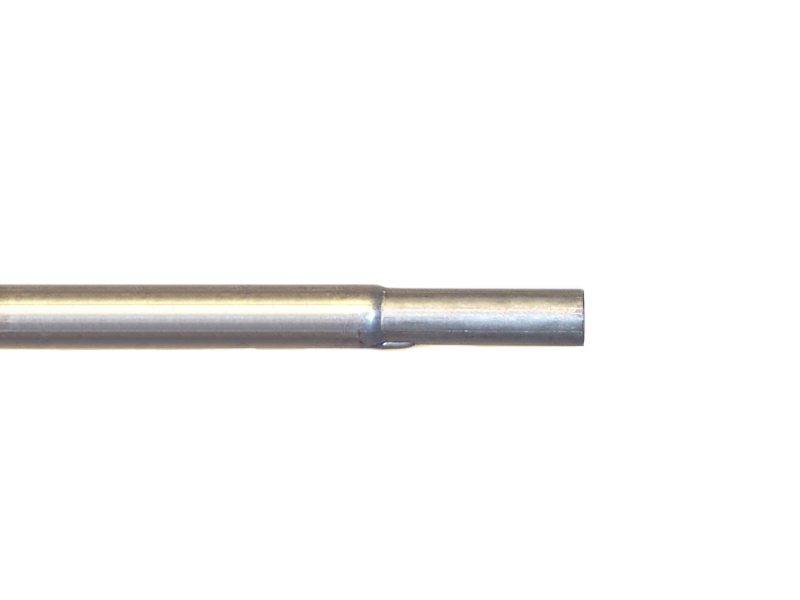 | 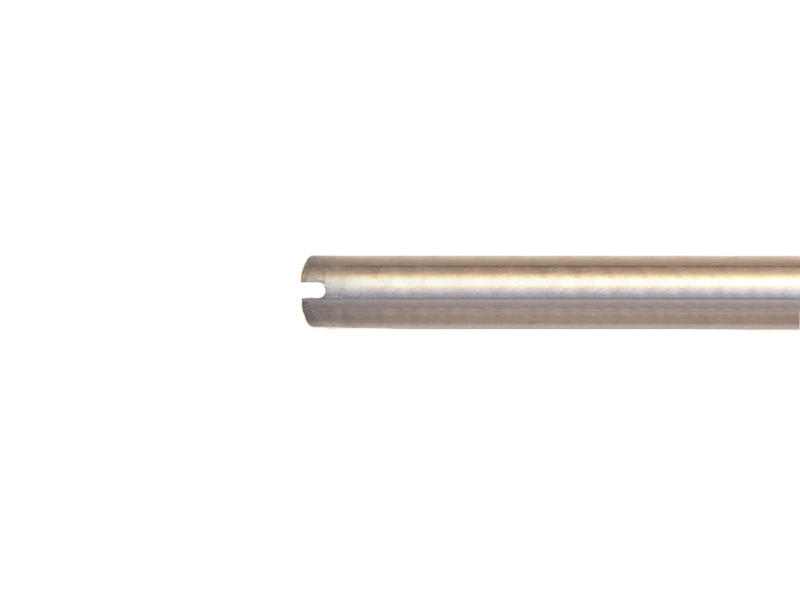 |
When selecting a pipe you will need to know the length, OD (outside diameter), the AWG 16 or 18 (the smaller the number the thicker the steel) and weather you'll need any swaged ended pieces. You'll then need to select the proper mounting such as wall, roof or maybe a tripod.

Price: $14.95
Availability: Discontinued
3 Star 5994 1.66 to 2 Inch O.D. Combination Satellite and Off-Air TV Antenna Mast 
|

Price: $27.95
Availability: Usually ships in 24 Hrs
3 Star 6016 Portable 3 Foot Satellite Dish Antenna Tripod with Mast
|

Price: $115.00
Availability: Usually ships in 24 Hrs
EZ-PNP Non-penetrating Satellite Dish Pitched Roof Mount
|

Price: $131.00
Availability: Usually ships in 24 Hrs
VMP PRM-2 Non-penetrating Satellite Dish Pitched Roof Mount
|

Price: $84.95
Availability: Usually ships in 24 Hrs
3 Star FRM-238-30 Non-Penetrating Roof Mount with 2.375" O.D. Mast 30" in Length
|

Price: $9.95
Availability: Usually ships in 24 Hrs
SKY 32811 Telescopic TV Antenna Mast Heavy Duty 3" Wall Mount Bracket
|

Price: $12.95
Availability: Usually ships in 24 Hrs
WINEGARD DS-1111 Universal Home "S" Off-Air Antenna Mount
|

Price: $28.95
Availability: Usually ships in 24 Hrs
DS-3000 Universal Home "J" Dish Off-Air Antenna Mount
|
 Made in the USA!